Keeping a fire risk assessment current in hospitality
General information for UK hospitality operators, not legal advice. If something here is wrong or out of date, the editorial policy explains how to report it.
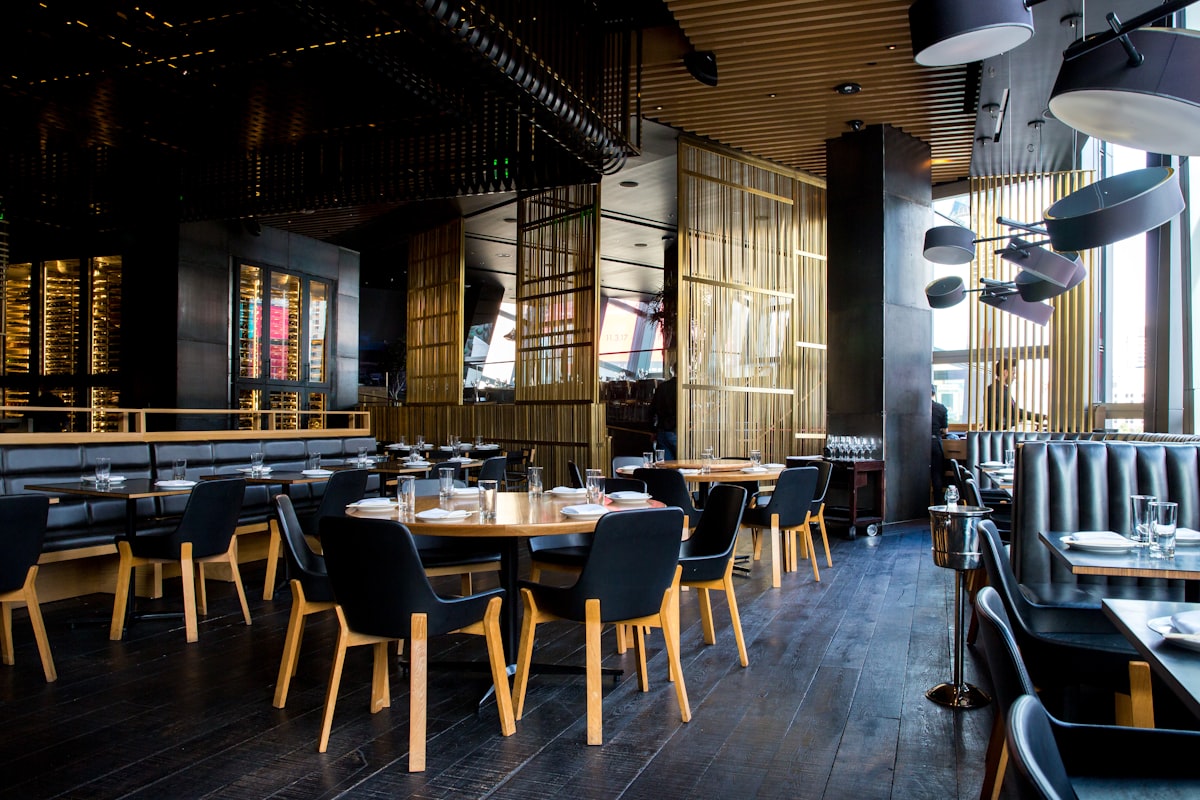
A fire risk assessment is a live record, not a one-off form. What the law asks in each UK nation, and how to keep yours defensible.
A fire risk assessment is a working record of the fire hazards on your premises, the people who could be harmed by them and the precautions already in place, and the duty is to keep that record matching the building as it actually stands. In England and Wales it sits with the responsible person under article 9 of the Regulatory Reform (Fire Safety) Order 2005, which requires a suitable and sufficient assessment, a record of it, and a review carried out regularly rather than on a fixed calendar date. Scotland and Northern Ireland run their own fire safety law, so the first thing to settle is which regime each of your sites trades under.
In a food and drink operation the stakes sit higher than in a typical office. Hot oil, gas appliances, grease-laden extraction ducting, alcohol stored behind a bar and a dining room full of people who have never seen the exits before all sit close together under one roof. That mix is why fire deserves closer attention in a kitchen than a general workplace assessment tends to give it, and why an assessment that has drifted out of step with the building offers little protection to the business, to staff, or to guests sitting a few metres from a working range.
Which law applies where you trade
The Regulatory Reform (Fire Safety) Order 2005 extends to England and Wales only. In Scotland the equivalent duties sit in Part 3 of the Fire (Scotland) Act 2005, with the detail in the Fire Safety (Scotland) Regulations 2006. In Northern Ireland they sit in Part III of the Fire and Rescue Services (Northern Ireland) Order 2006 and the regulations made under it. The practical shape of the job is similar across all three: identify the hazards, identify who is at risk, decide whether the precautions are adequate, record what was found, and review it. The wording of the duties, the recording requirements and the enforcement routes are not identical, so an operator with sites in more than one nation cannot run a single English template across the estate and assume every venue is covered.
Who the responsible person actually is
Under the England and Wales regime the duty falls on the responsible person. The government's guidance on fire safety in the workplace describes that as the employer, the owner, the landlord, the occupier, or anyone else with control of the premises, and notes that the Order also applies where you take paying guests, for example in a bed and breakfast, a guesthouse or a self-catering let. Where there is more than one responsible person, such as a hotel with ground-floor retail let separately, they have to work together to meet the duties. That guidance also sets out what the role carries: carrying out the assessment and reviewing it regularly, telling staff about the risks identified, putting fire safety measures in place and maintaining them, planning for an emergency, and providing information, instruction and training. Naming the holder of the role on the document itself removes any ambiguity before an inspecting officer asks who it is.
What a suitable and sufficient assessment covers
Article 9 frames the assessment as an evaluation of the risks to which relevant persons are exposed, for the purpose of identifying the general fire precautions the responsible person needs to take. For a hospitality site that means the ignition sources, being cooking equipment, gas connections and electrical installations; the fuel that could feed a fire, including packaging, cooking oil and cleaning chemicals; and the people at risk, which in a public-facing venue covers staff, contractors, delivery drivers and customers entirely unfamiliar with the building. The record the Order asks for must set out the findings of the assessment, including the measures that have been or will be taken, and any group identified as being especially at risk. In practice that means capturing the control measures already in place, from detection and warning through to means of escape and emergency lighting, plus the outstanding actions with an owner and a target date against each one.
Keeping the fire risk assessment current
The legal duty is not to write the document once. Article 9 requires it to be reviewed regularly so that it stays up to date, and particularly where there is reason to suspect it is no longer valid, or where the premises, the technical and organisational measures, or the organisation of the work have changed significantly. A refurbishment, a new piece of kitchen equipment, a change to the dining room layout, a new storage arrangement, or a near miss such as a small pan fire or an alarm that failed to sound all fall squarely inside that wording and should trigger a review rather than a wait for the next scheduled date. An assessment written three years ago that describes a kitchen laid out differently, staffed differently and equipped differently is easy to fault on a walk round. Review is also the point at which a structured risk assessment process earns its keep, because fire sits alongside COSHH, manual handling and general workplace hazards as one of several assessments a responsible person has to hold, evidence, and keep in step with the building.
Common gaps found in hospitality kitchens
The same handful of failings turn up repeatedly in pub, restaurant and hotel kitchens. Fire doors are wedged open during service to help ventilation or speed up food running, which defeats their purpose the moment smoke needs containing. Storage creeps into a corridor that used to be a clear escape route, usually because a bulk delivery or a seasonal stock build has nowhere else to go. Extinguishers are present but have not been serviced to the schedule set by the installer or the insurer, or have been moved from their marked position and never put back. Extraction ducting, which carries a heavy grease load in a working kitchen, has gone past the cleaning frequency the specialist contractor recommended for that duty. Each is a small operational shortcut with a large consequence, and each is the kind of gap the same assessment discipline described in a practical walk through COSHH and risk assessments is meant to catch first.
Fire doors, escape routes and emergency lighting
Means of escape have to stay usable at every hour the premises are occupied, which in a food and drink business runs from early morning deliveries through to the small hours of a late licence. That means escape routes kept clear of stock, seating and temporary furniture, fire doors that close fully and are never propped, and final exit doors that open in the direction of escape and are never locked in a way that traps people inside during service. Emergency lighting needs to work along the whole route rather than only at the final exit, because a power cut during a busy dinner service is the scenario it exists for. Signage should be visible from any point in the dining room or bar, including from covers added after the original layout was drawn, since seating plans change far more often than the assessment gets updated to match them. Checking doors, lighting and signage together on one walk round stops them becoming three separate jobs done at different times of year.
Training, drills and record-keeping
Identifying hazards and controls does not by itself prove that staff know what to do when the alarm sounds. That evidence comes from induction training, periodic refreshers, and drill records showing who took part and what went wrong. A new starter needs the nearest two exits from wherever they are working, the assembly point, and who calls the fire service, before a first unsupervised shift rather than sometime in the first month. Incidents that do happen, from an evacuation to a scald or a gas leak, sit alongside the duties covered in a rundown of accident reporting under RIDDOR, since some fire-related events cross the threshold for formal notification and some do not. Keeping drill records, training logs and the assessment in one place, rather than three, is what lets a manager answer every question in a single visit instead of promising to send documents on afterwards.
Doing this without the paperwork
On paper, somebody has to remember review dates, chase servicing certificates, log drills by hand and hope the copy in the folder is the current one when it is asked for. Zynthio's COSHH and risk assessment module ships risk assessment templates by category, fire among them, each carrying suggested hazards, who is at risk, suggested controls and the legal basis. Hazards are scored likelihood times severity on a 5 x 5 matrix, an assessment carries a named assessor, a signature and a review date that clears properly when the review is recorded, and the register shows which assessments are current, due soon or overdue. Nothing emails or pushes those states at you, so opening the compliance dashboard has to become part of the weekly routine.
Frequently asked questions
Who counts as the responsible person for fire safety in a pub or restaurant?
In England and Wales it is the employer, the owner, the landlord, the occupier or anyone else with control of the premises, and the rules also apply where you take paying guests in a bed and breakfast, guesthouse or self-catering let. Where a building is shared there can be more than one responsible person, and they must work together. Scotland and Northern Ireland place comparable duties under their own fire safety legislation.
How often should a fire risk assessment be reviewed?
Article 9 of the Regulatory Reform (Fire Safety) Order 2005, which applies in England and Wales, requires a review regularly so the assessment stays up to date, and particularly where there is reason to suspect it is no longer valid or the premises, the measures or the organisation of the work have changed significantly. No fixed interval is written into the Order. A refurbishment, new equipment, a layout change or a near miss should each trigger one.
Does a small venue really need a written fire risk assessment?
In England and Wales, yes. Since 1 October 2023 article 9(6) has required the responsible person to record the assessment or review whatever the headcount, after the Building Safety Act 2022 removed the earlier condition that tied the recording duty to employing five or more employees, holding a licence, or being subject to an alterations notice. Scotland and Northern Ireland set recording requirements under their own regulations.
What happens if a fire officer finds the assessment out of date?
In England and Wales the local fire and rescue authority inspects premises and can issue a fire safety notice telling the responsible person what has to change. Failing to follow fire safety law can lead to a fine or a prison sentence. Scotland and Northern Ireland enforce through their own legislation. An assessment that no longer matches the building is treated as a live risk rather than a paperwork gap.
Is a fire risk assessment the same thing as a fire drill record?
No. They are related but separate. The assessment identifies the hazards, who is at risk and the control measures needed; drill records and training logs are the evidence that staff know what to do when the alarm sounds. Both should exist, both should be reviewed together, and neither substitutes for the other when an inspecting officer asks to see the file.